



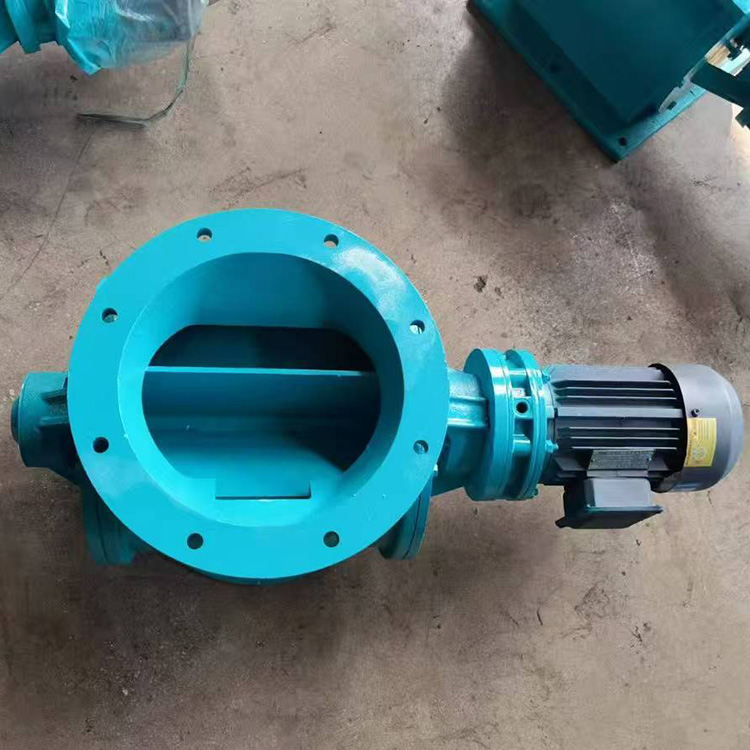
Rotary Airlock Valves
Rotary Airlock Valves Rotary airlock valves are mechanical devices used to discharge, feed, and isolate bulk materials while maintaining a pressure or airflow barrier between different sections of an industrial processing system. They are w...
Rotary Airlock Valves
Rotary airlock valves are mechanical devices used to discharge, feed, and isolate bulk materials while maintaining a pressure or airflow barrier between different sections of an industrial processing system. They are widely used beneath baghouse dust collectors, cyclones, hoppers, silos, pneumatic conveying systems, and material handling equipment.
Main Function
A rotary airlock valve typically consists of a housing, rotating rotor, end plates, seals, and drive assembly. Material enters through the upper inlet and is carried by rotor pockets toward the lower outlet.
At the same time, the valve helps minimize uncontrolled air movement between the upper and lower sections.
The ability to continuously discharge collected material while limiting air leakage is one of the key advantages of rotary airlock valves.
Structural Components
Important components include:
Rotor
Valve housing
Shaft
Bearings
End seals
Drive motor
Gear reducer
The rotor may be designed with different numbers of blades and pocket volumes according to the required material throughput.
Working Principle
As the rotor rotates, material fills the pockets at the inlet. The pockets then move downward and release the material through the outlet.
The housing and rotor maintain controlled clearances to reduce air leakage.
For dust collection systems, this allows dust to be discharged from the hopper without significantly disturbing the pressure balance inside the collector.
Material Selection
Common construction materials include:
Carbon steel
Stainless steel
Cast iron
Special wear-resistant alloys
Material selection should consider material abrasiveness, temperature, moisture, chemical characteristics, and operating pressure.
Stainless steel may be preferred for corrosive or hygienic applications, while wear-resistant materials are useful for abrasive powders.
Sealing and Air Leakage
Sealing performance is critical to rotary airlock operation.
Excessive clearance or worn seals may cause:
Air leakage
Reduced conveying efficiency
Dust escape
Higher energy consumption
The rotor-to-housing clearance and sealing system should be carefully controlled during manufacturing and maintenance.
Capacity and Speed Selection
Important selection parameters include:
Rotor diameter
Rotor length
Pocket volume
Rotor speed
Material bulk density
Required throughput
Excessive rotor speed may increase wear and material degradation, while insufficient speed may reduce discharge capacity.
The operating speed should therefore be matched to the material characteristics and required capacity.
Applications in Dust Collectors
Rotary airlock valves are commonly installed beneath:
Baghouse dust collectors
Cyclone separators
Cartridge collectors
Dust hoppers
Silos
They provide continuous dust discharge while helping maintain negative pressure inside the filtration equipment.
Common Problems
Typical operating problems include:
Rotor blockage
Seal wear
Bearing failure
Excessive air leakage
Material bridging
Abnormal noise
These issues may result from improper clearance, unsuitable operating speed, foreign objects, or inadequate maintenance.
Maintenance Requirements
Regular inspection should include:
Checking rotor condition
Inspecting seals
Lubricating bearings
Checking drive components
Removing accumulated material
Verifying operating clearance
The early detection of wear and air leakage can significantly reduce unexpected downtime and maintenance costs.
Conclusion
Rotary airlock valves are important components for controlled discharge and pressure isolation in bulk material handling systems.
Through proper sizing, suitable materials, accurate rotor clearance, reliable sealing, and regular maintenance, rotary airlock valves can provide stable material discharge and long-term operating performance.
For dust collection applications, a correctly selected rotary airlock valve helps maintain system pressure, improve dust handling efficiency, and reduce uncontrolled air leakage.
References
NFPA 652 – Standard on the Fundamentals of Combustible Dust
ISO 12100 – Safety of Machinery: Risk Assessment and Risk Reduction
ASME B20.1 – Safety Standard for Conveyors and Related Equipment
ASTM A216/A216M – Steel Castings for High-Temperature Service
ISO 9001 – Quality Management Systems Requirements
CEMA – Screw Conveyors for Bulk Materials and Material Handling Guidelines