



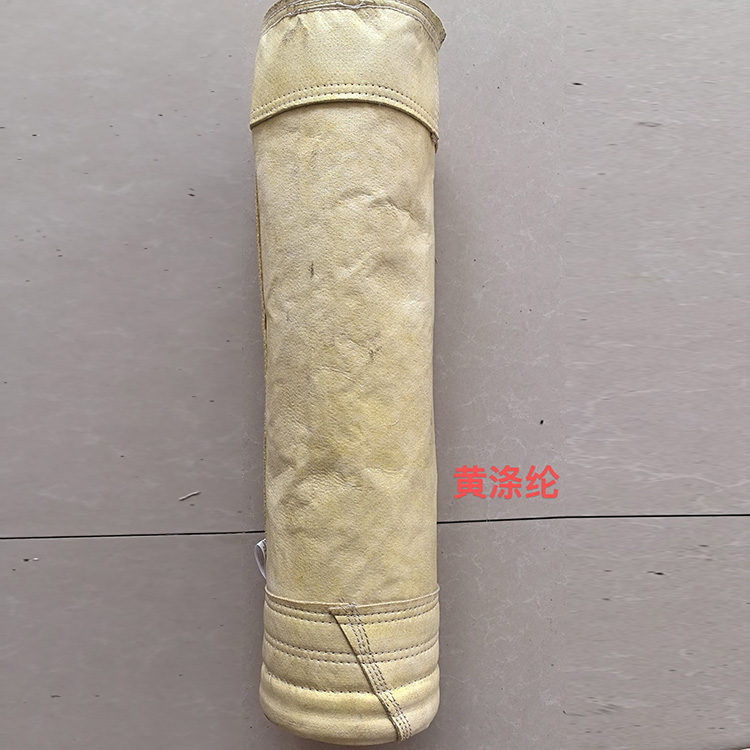
Filter Bags
Filter Bags Filter bags are one of the most important filtration components in industrial dust collection systems, designed to capture solid particles, dust, and industrial pollutants from airflow while allowing clean air to pass through ....
Filter Bags
Filter bags are one of the most important filtration components in industrial dust collection systems, designed to capture solid particles, dust, and industrial pollutants from airflow while allowing clean air to pass through. They are widely used in baghouse dust collectors, stainless steel dust collectors, cement plants, chemical industries, metal processing, power generation, and other industrial applications.
The performance of filter bags directly affects filtration efficiency, equipment operating costs, maintenance frequency, and environmental compliance.
Structure and Composition of Filter Bags
A filter bag is mainly composed of:
Filter fabric
Support structure
Bag opening and sealing parts
Dust release surface
The filter fabric is the core filtration medium, while the supporting components maintain the shape and stability of the bag during operation.
The structural design of filter bags determines their filtration capacity, mechanical strength, and service life.
Working Principle of Filter Bags
During dust collection, dust-containing air enters the filtration chamber and passes through the filter bags.
The filtration process includes:
Dust particle interception
Surface filtration
Dust layer formation
Dust removal and regeneration
As dust accumulates on the surface, a filter cake is formed, which improves fine particle capture efficiency.
The balance between filtration performance and airflow resistance is essential for efficient dust collector operation.
Common Filter Bag Materials
Different working environments require different filter materials.
Common materials include:
Polyester
Polypropylene
Aramid
PTFE
Fiberglass
Each material has different characteristics in terms of:
Temperature resistance
Chemical resistance
Mechanical strength
Moisture resistance
The correct material selection helps ensure stable filtration performance under specific industrial conditions.
Important Performance Requirements
High-quality filter bags should provide:
High filtration efficiency
Low pressure loss
Good dust release performance
Strong abrasion resistance
Long service life
Stable dimensional performance
These characteristics help reduce energy consumption and improve the reliability of dust collection systems.
Influence of Operating Conditions
Filter bag performance is affected by various factors, including:
Operating temperature
Dust particle characteristics
Air humidity
Chemical composition
Airflow velocity
For example, high-temperature applications require heat-resistant materials, while chemically aggressive environments require corrosion-resistant filter media.
Dust Removal Methods
Filter bags are commonly cleaned through:
Pulse jet cleaning
Reverse airflow cleaning
Mechanical shaking
Pulse jet cleaning is widely used because it provides efficient dust removal while allowing continuous operation.
The effective cleaning process prevents excessive dust accumulation and maintains stable airflow performance.
Common Filter Bag Problems
During operation, filter bags may experience:
Wear and abrasion
Bag breakage
Chemical degradation
Dust blockage
Excessive pressure drop
Improper material selection, incorrect installation, or unsuitable operating conditions may shorten filter bag service life.
Installation and Maintenance Requirements
Proper installation is essential for reliable performance.
Important considerations include:
Correct bag size
Proper sealing
Avoiding mechanical damage
Regular inspection
Timely replacement
Routine maintenance helps identify early problems and prevents unexpected equipment downtime.
Selection Guidelines
When selecting filter bags, manufacturers should consider:
Dust type
Particle size
Operating temperature
Chemical environment
Required filtration efficiency
Equipment design
The best filter bag solution should match both the dust characteristics and the operating conditions of the filtration system.
Conclusion
Filter bags are essential components in industrial dust collection equipment and play a key role in maintaining clean air and efficient production.
By selecting suitable materials, optimizing filtration design, and implementing proper maintenance procedures, filter bags can provide high filtration efficiency, reliable operation, and extended service life.
A scientific selection and management process helps improve dust collector performance, reduce maintenance costs, and support environmental protection requirements.
References
ISO 16890 – Air Filters for General Ventilation
ASHRAE Standard 52.2 – Method of Testing General Ventilation Air-Cleaning Devices
ASTM D737 – Standard Test Method for Air Permeability of Textile Fabrics
ASTM D5035 – Standard Test Method for Breaking Force and Elongation of Textile Fabrics
NFPA 652 – Standard on the Fundamentals of Combustible Dust
ISO 9001 – Quality Management Systems Requirements