



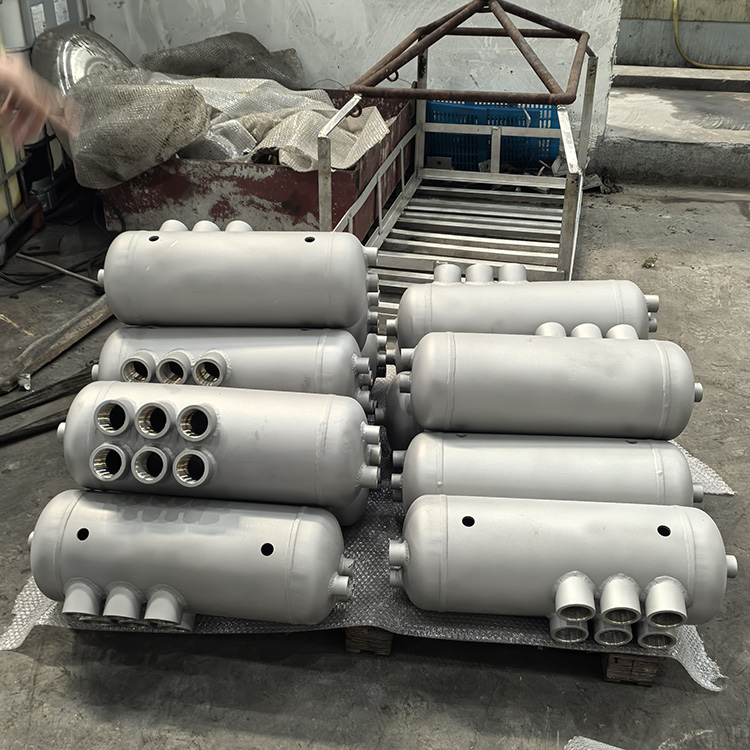
Air Header Accessories
Air Header Accessories Air header accessories are essential components used to connect, control, distribute, monitor, and maintain compressed-air systems. They are commonly installed around air headers, compressed-air distribution pipelines...
Air Header Accessories
Air header accessories are essential components used to connect, control, distribute, monitor, and maintain compressed-air systems. They are commonly installed around air headers, compressed-air distribution pipelines, air receivers, pneumatic equipment, and industrial process systems. Properly selected accessories help improve airflow stability, system safety, and maintenance efficiency.
Main Functions of Air Header Accessories
An air header serves as a central distribution point for compressed air. Its accessories support several functions, including:
Air distribution
Pressure control
Condensate removal
Flow isolation
Pressure monitoring
System protection
The correct combination of accessories ensures that compressed air can be delivered safely and consistently to downstream equipment.
Common Accessories
Typical air header accessories include:
Isolation valves
Pressure gauges
Pressure regulators
Safety valves
Drain valves
Filters
Quick couplings
Pipe fittings
These components should be selected according to system pressure, pipe size, air quality, and installation conditions.
Isolation Valves
Isolation valves allow individual sections of the compressed-air system to be shut off for maintenance or emergency situations.
Common valve types include:
Ball valves
Gate valves
Butterfly valves
The isolation valve should provide reliable shut-off performance and withstand the maximum operating pressure of the air system.
Pressure Gauges and Regulators
Pressure gauges allow operators to monitor system pressure.
Pressure regulators reduce and stabilize pressure before compressed air enters sensitive equipment.
Important considerations include:
Pressure range
Accuracy
Connection size
Operating temperature
Proper pressure regulation helps protect pneumatic components and maintain consistent equipment performance.
Condensate Drainage
Compressed air systems can produce moisture and condensate.
Drain valves and automatic drains help remove accumulated water from low points of the air header.
Effective drainage reduces:
Internal corrosion
Pipeline blockage
Equipment contamination
Air quality problems
The drainage system should be positioned at appropriate low points to ensure effective condensate removal.
Safety Valves
Safety valves provide protection against excessive pressure.
They should be selected according to:
Maximum allowable pressure
System capacity
Operating medium
Applicable safety requirements
Regular inspection and testing are important to ensure reliable protection.
Filters and Air Treatment Components
Air filters may be installed before sensitive pneumatic equipment.
They help remove:
Dust
Oil particles
Water droplets
Other contaminants
The filtration grade should match the requirements of downstream equipment.
Pipe Fittings and Connections
Reliable fittings are essential for maintaining system integrity.
Common connection methods include:
Threaded connections
Flanged connections
Compression fittings
Quick couplings
The connection method should provide sufficient mechanical strength and sealing performance under operating pressure.
Material Selection
Common materials include:
Carbon steel
Stainless steel
Brass
Aluminum
Stainless steel is often preferred in corrosive or high-cleanliness environments, while brass and aluminum may be suitable for general compressed-air applications.
Installation and Maintenance
Proper installation should consider:
Flow direction
Accessibility
Pipe alignment
Support structure
Sealing condition
Regular maintenance should include leakage inspection, pressure gauge verification, valve operation checks, and condensate drain inspection.
Conclusion
Air header accessories play an important role in compressed-air distribution systems. Through proper valve selection, pressure control, condensate management, filtration, safety protection, and reliable connections, manufacturers can improve system stability and operational safety.
A well-designed accessory system reduces pressure losses, minimizes leakage, simplifies maintenance, and helps downstream pneumatic equipment operate efficiently.
References
ISO 8573 – Compressed Air: Contaminants and Purity Classes
ISO 4414 – Pneumatic Fluid Power: General Rules and Safety Requirements
ASME B31.1 – Power Piping
ASME B16.5 – Pipe Flanges and Flanged Fittings
ISO 9001 – Quality Management Systems Requirements
IEC 60534 – Industrial-Process Control Valves